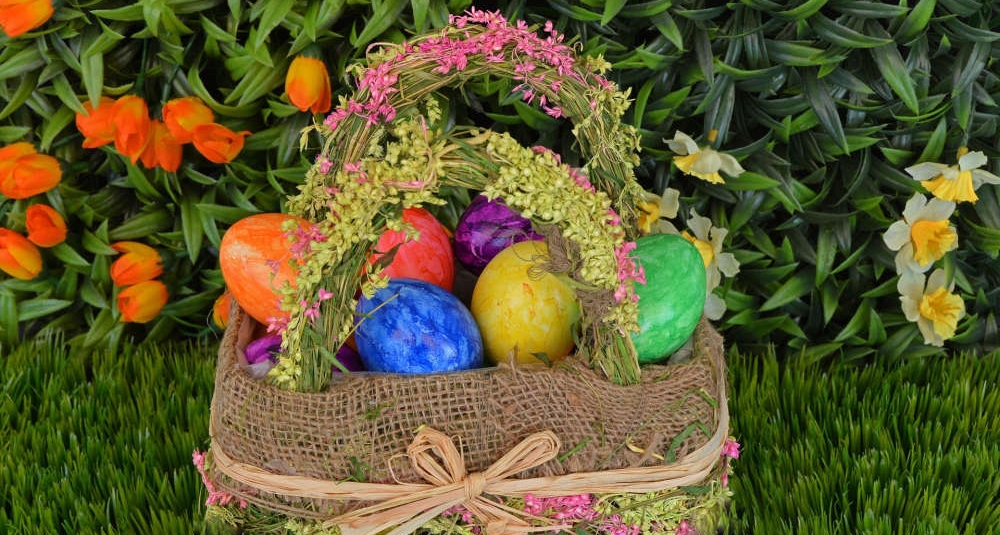
Easter baskets have become a joyful staple of the holiday, brimming with treats, toys, and surprises that kids eagerly discover on Easter morning. But behind the colorful grass and chocolate bunnies is a tradition shaped by centuries of history, symbolism, and evolving customs.
In 2026, Easter falls on April 5, making now the perfect moment to rethink what goes into your child’s basket. While candy still has its place, more families are embracing a mix of fun and functional items that last well beyond the holiday.
But why a basket? And what's up with the bunny?
One widely shared theory traces the Easter Bunny back to ancient spring festivals honoring Eostre, a goddess associated with fertility and renewal. Offerings were often placed in baskets and included eggs or seedlings, both symbols of new life. The rabbit, known for its rapid reproduction, became a natural emblem of fertility.
Another origin story comes from 18th-century German immigrants who settled in Pennsylvania. They told their children about the “Osterhase,” a magical hare that laid colored eggs. Children would prepare nests — sometimes in baskets or hats — for the hare to fill.
...and chocolate?
Chocolate wasn’t always part of Easter, but once it arrived, it quickly became central.
European confectioners began crafting chocolate eggs in the early 1800s. In 1842, Cadbury introduced its first “eating chocolate,” and by 1875, the first chocolate Easter eggs were produced. The launch of Cadbury’s Dairy Milk chocolate eggs in 1905 helped solidify chocolate as a seasonal must-have.
Courtesy of nbcchicago.com