

A parasite called Cyclospora cayetanensis or C. cayatanensis is reportedly spreading across the United States with cases being detected in 17 states including New York. In fact, The Centers for Disease Control says New York currently has the highest concentration of infections and new data shows nearly 150 Americans have been sickened by the virus and suffering from explosive diarrhea for weeks on end since the beginning of May.
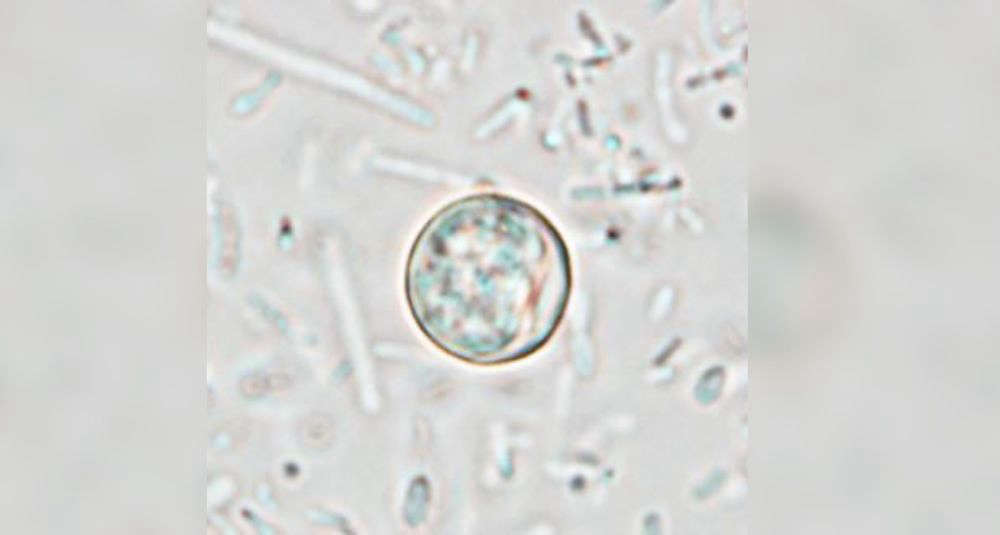
(Centers for Disease Control and Prevention via cdc.gov)
According to localizefood.app on Instagram, 20 people have been hospitalized so far due to contracting C. cayatenensis, and that number is rising with spikes in Texas and Illinois. The parasite, traced to raw produce and water that has been contaminated by feces, can bring on symptoms including loss of appetite, abdominal cramps, abdominal cramps, nausea/vomiting, body aches, low-grade fever and, most notably, prolonged watery stool.
(Giorgio Trovato/Unsplash)
CDC.gov states that Cyclospora cayatanensis clings to crevices of produce and is resistant to standard chemical disinfectant. So, what can you do to AVOID contracting this microscopic parasite? Here are six suggestions.
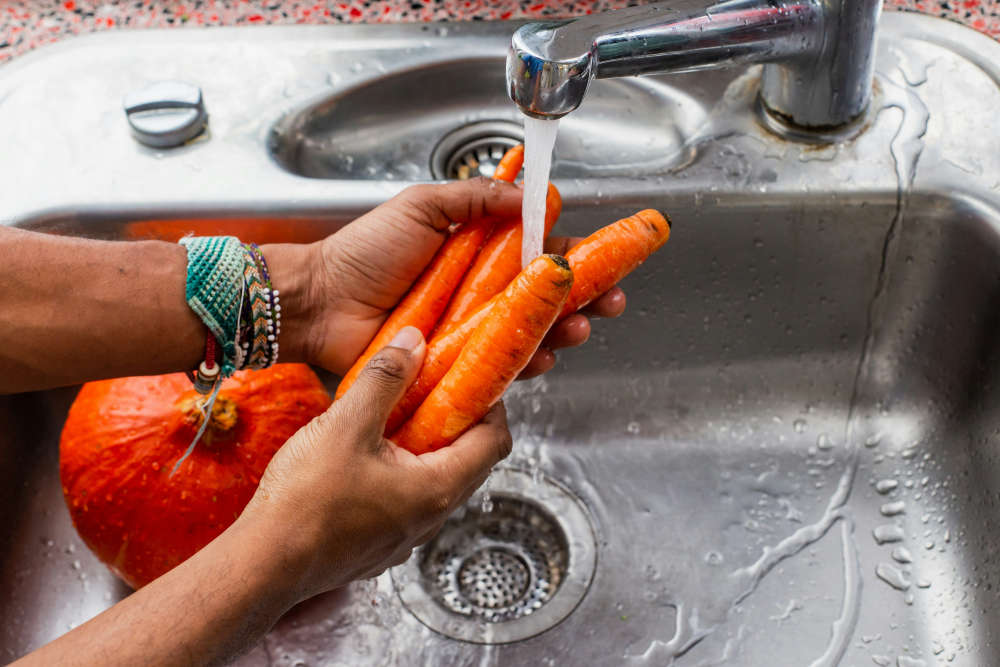
Wash Produce Thoroughly
(Louis Hansel/Unsplash)
Scrub Firm Produce with a Produce Brush

(-Kenny/Unsplash)
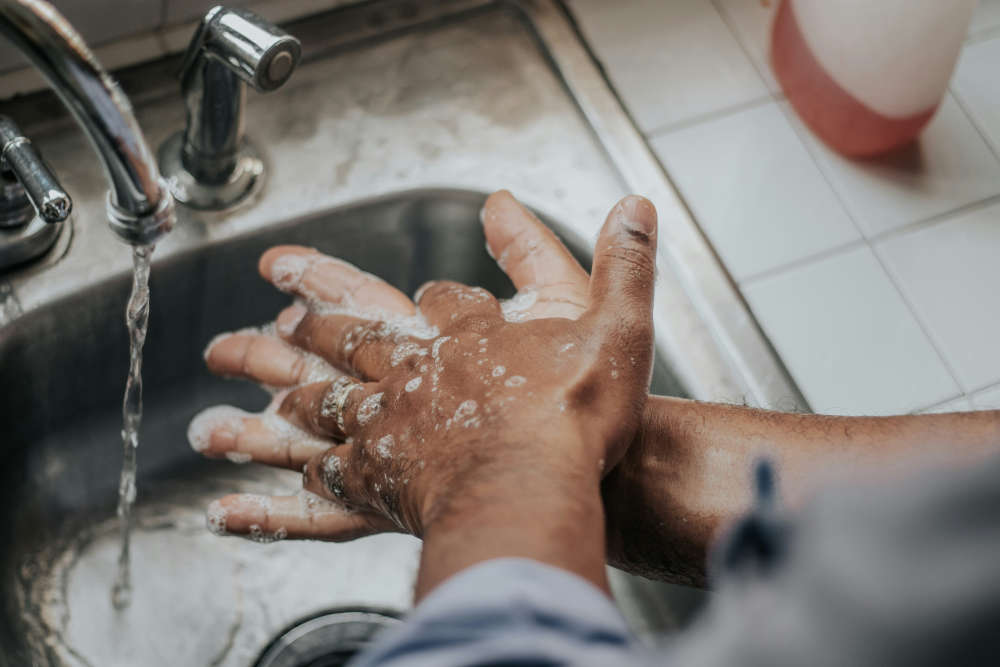
Wash Your Hands for at Least 20 Seconds
(Melissa Jeanty/Unsplash)
Cut Away Bruised Patches

(K8/Unsplash)
Refrigerate Cleaned Produce with 2 Hours
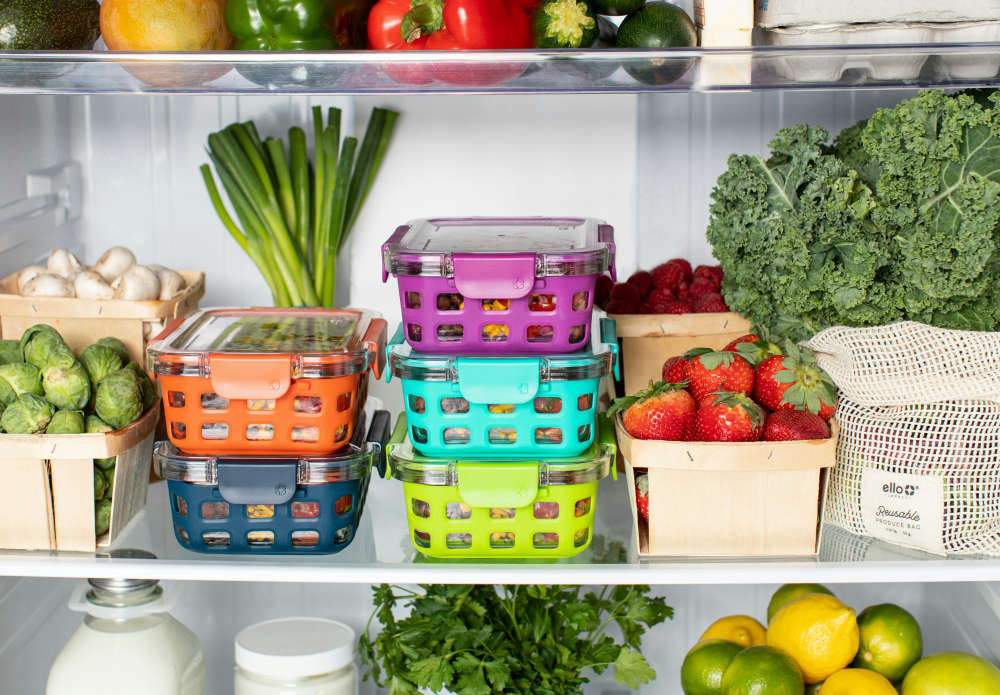
(Ello/Unsplash)
Heat or Boil Produce to Kill the Parasite

(Michal Balog/Unsplash)
*Side Note: CDC.gov advises that even produce labeled as 'pre-washed', like some pre-packaged lettuces and other greens, be placed under running water. Hard-skinned fruits and veggies like apples and avocado should be washed with soap and water.
FYI, should you experience any of the symptoms listed above, seek medical attention. The presence of Cyclospora organisms or DNA of the parasite can reportedly be tested for via a stool sample.
For more information regarding the C. cayatanensis parasite visit CDC.gov.