

Eating traditionally lucky foods on New Year’s Day can not only connect you to cultural heritage, symbolize hope for prosperity and health, and create a meaningful ritual that sets a positive, intentional tone for the year ahead, but it's also kind of a fun way to start 2026 with your best chance possible for prosperity!
Hey, it couldn't hurt right? We could use all the good luck we can get! It also gives you an idea for what to put on the menu for any guests you're hosting on January 1st.
Here are 11 foods considered 'lucky' to eat on New Year's Day (and why).
Black-Eyed Peas
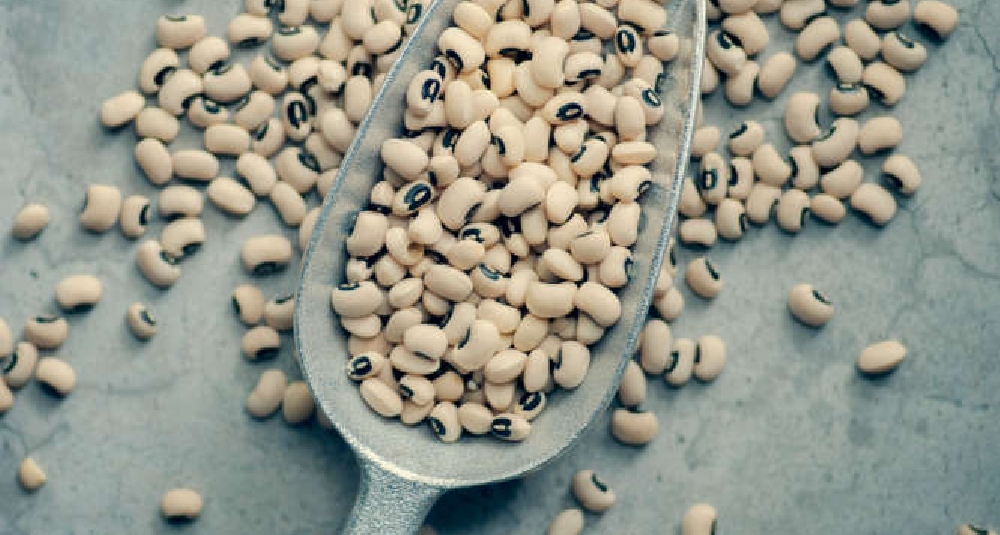
(Jasmine Waheed/Unsplash)
Tradition: Eating 365 black-eyed peas (one for each day of the year) on January 1st.
Cornbread

(David Trinks/Unsplash)
Tradition: Golden in color and associated with gold coins.
Fish
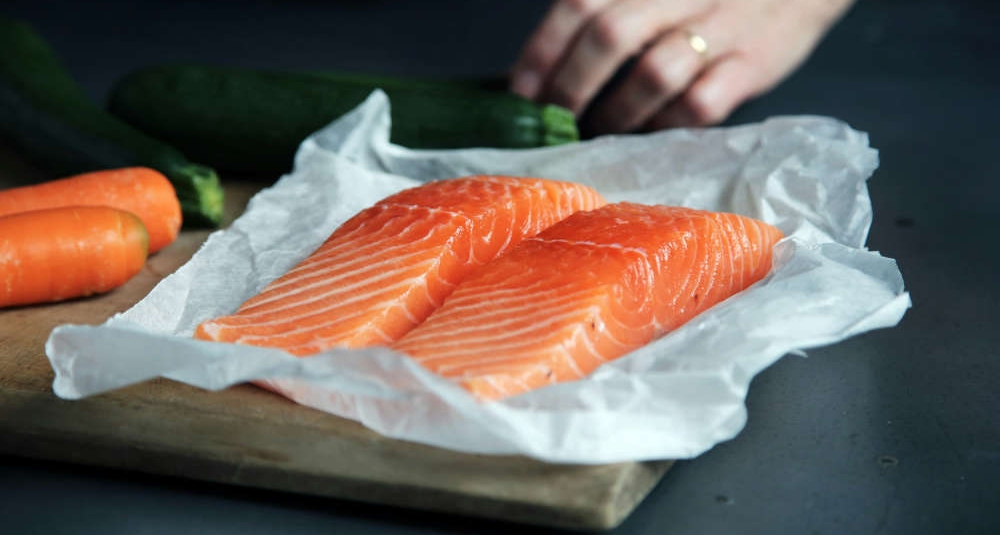
(Caroline Attwood/Unsplash)
Tradition: Schools of fish are rumored to be considered plentiful symbolizing prosperity.
Grapes
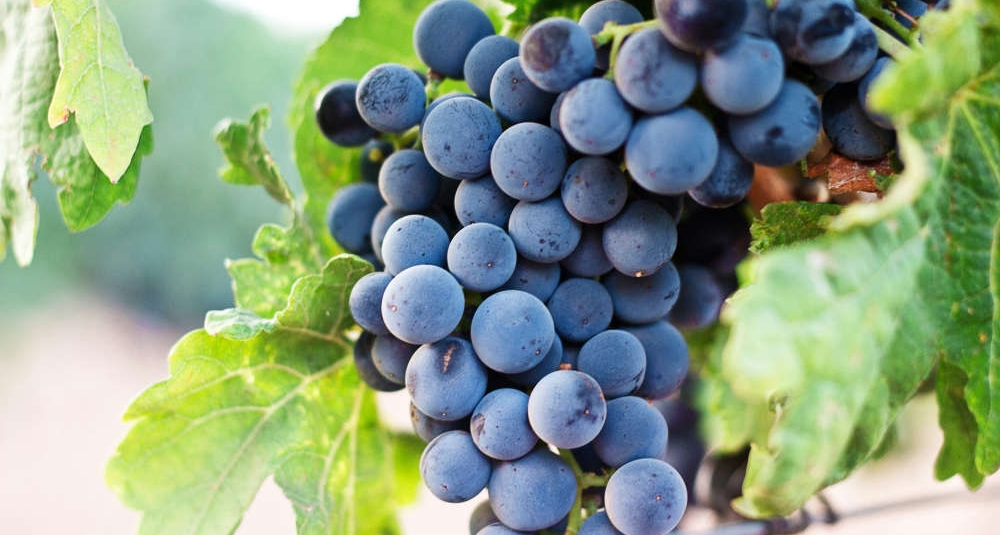
(Nacho Dominguez Argento/Unsplash)
Tradition: Eating twelve grapes at midnight (one for each chime of the clock) brings good fortune for each month of the coming year.
Leafy Greens
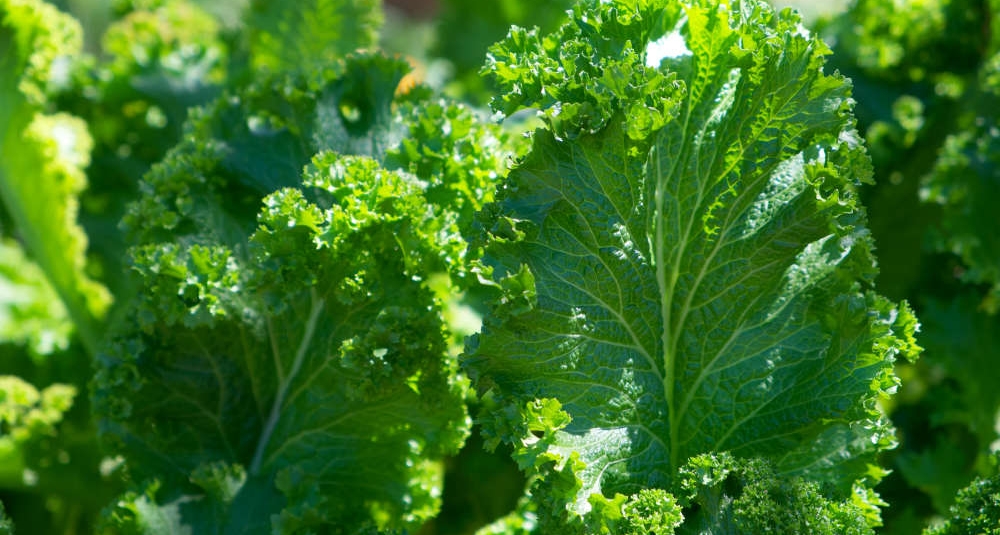
(Brian McGowan/Unsplash)
Tradition: Leafy greens are the color of MONEY symbolizing prosperity.
Lentils
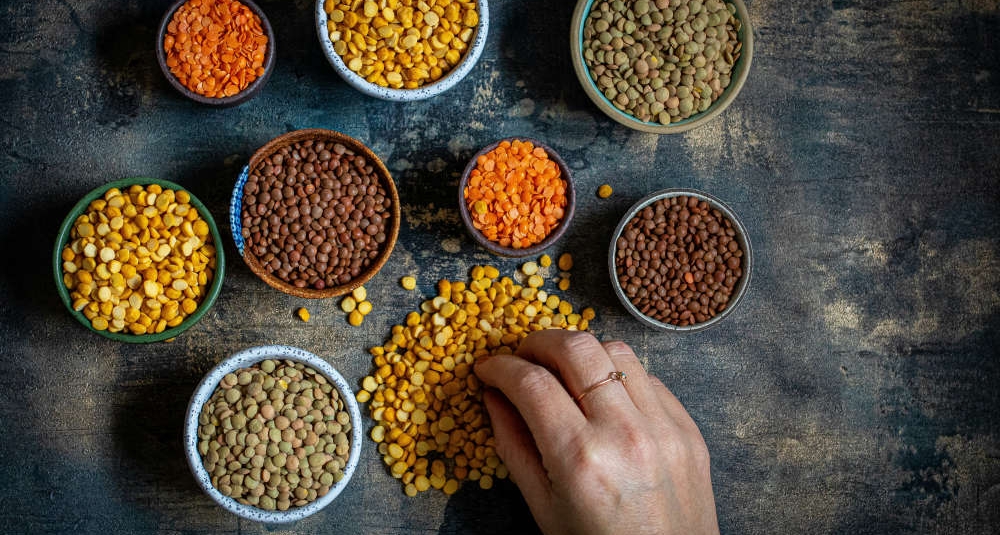
(Monika Borys/Unsplash)
Tradition: Italians embrace lentils on New Year's Day because they look like tiny coins and bring good fortune.
Noodles
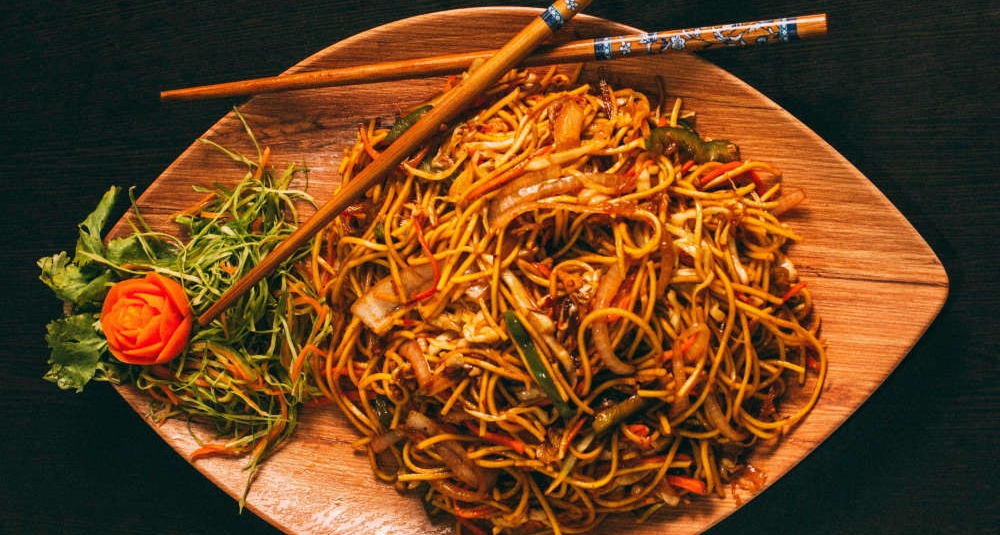
(Orijit Chatterjee/Unsplash)
Tradition: A symbol of longevity.
Pomegranate
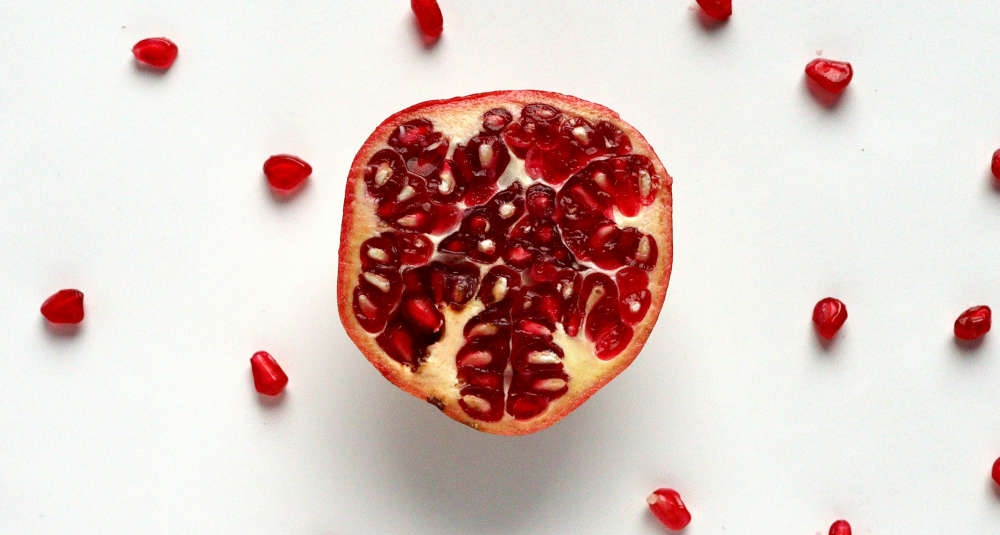
(Priyanka Singh/Unsplash)
Tradition: Originating in Mediterranean regions to be consumed for luck in conceiving.
Pork

(Toufiqu Barbhuiya/Unsplash)
Tradition: Pigs are reportedly known to push their food forward as they eat symbolizing forward momentum for the year head.
Onions
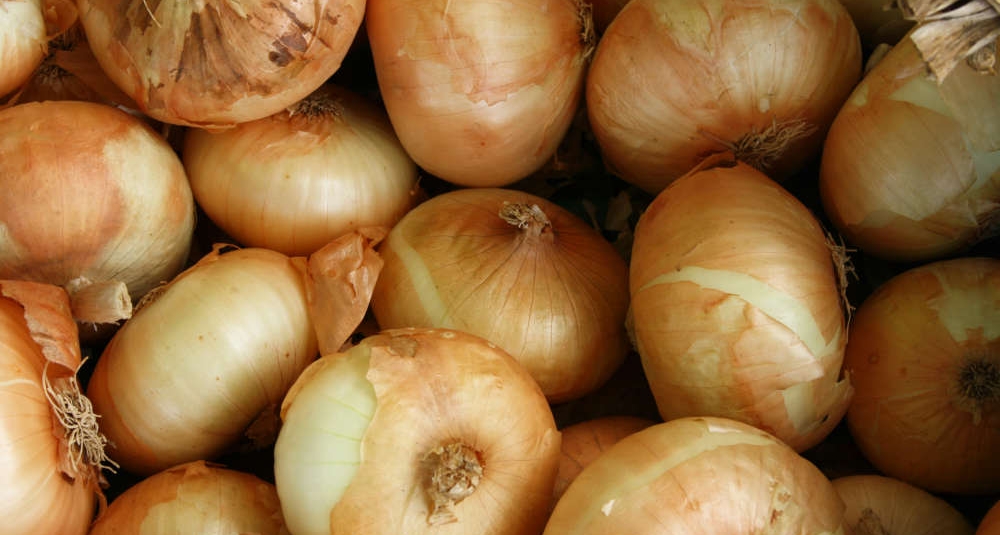
(Lars Blankers/Unsplash)
Tradition: An ancient Greek symbol of luck and fertility.
Round or Ring Cake

(Luiz Carlos Santi)
Tradition: Symbolizes the full circle of life.
From me to you, Bueno Fortuna!