
Astronomers and experts have laid out all 13 full moons for the new year, and according to astronomy.com, it looks like New York will see two Supermoons in a row at the end of the year.
Although there are four significant eclipses marked for this calendar year, including the first solar eclipse predicted to be visible for mainland Europe since 1999, The Hudson Valley is in line to witness just one just one of the events. That will be a total solar eclipse scheduled for August 12th.
(Photo: Evelyn Hockstein/REUTERS)
Below is a schedule of Full and Supermoons coming up this year as well as their nicknames and meanings.
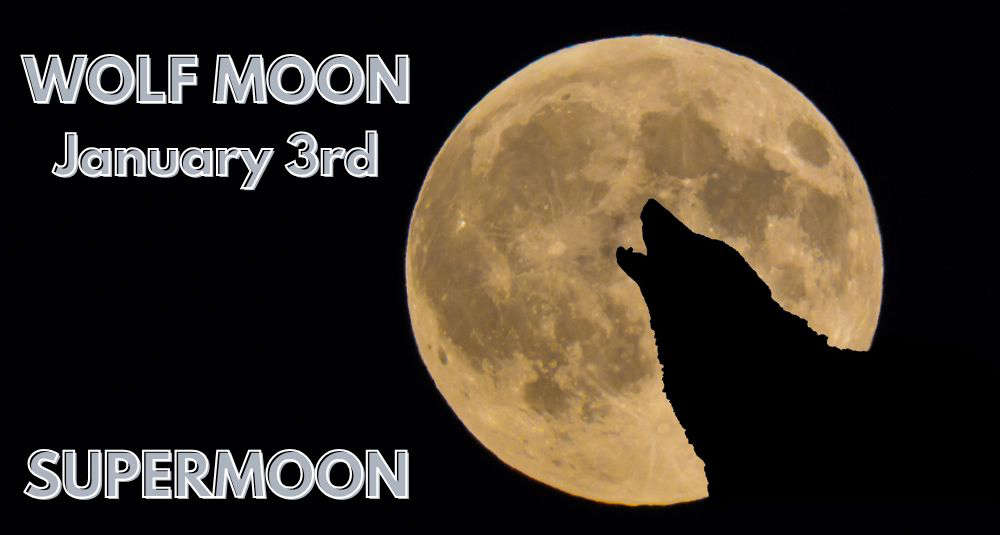
Wolf Moon: During this time of year, packs of wolves would reportedly howl tirelessly and hungrily outside Native American villages.
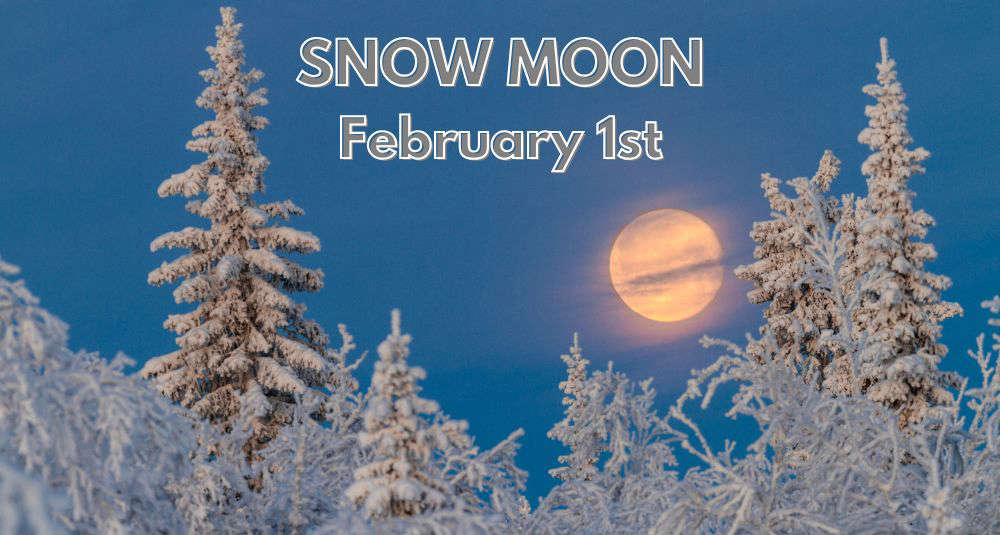
Snow Moon: Historically, the heaviest snows of the year fall during the month of February.
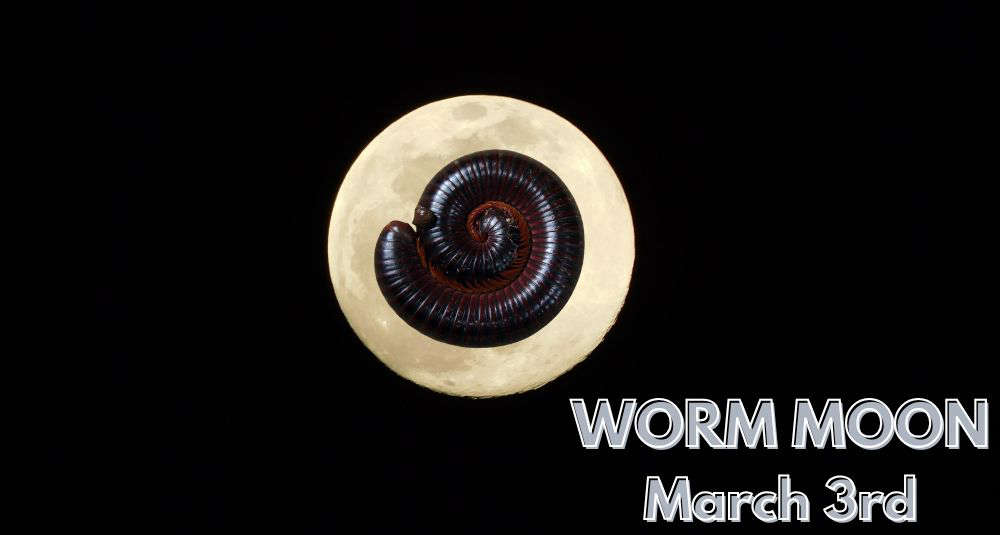
Worm Moon: Called a 'worm' moon for the emergence of earthworms and other insects signifying the coming spring season.
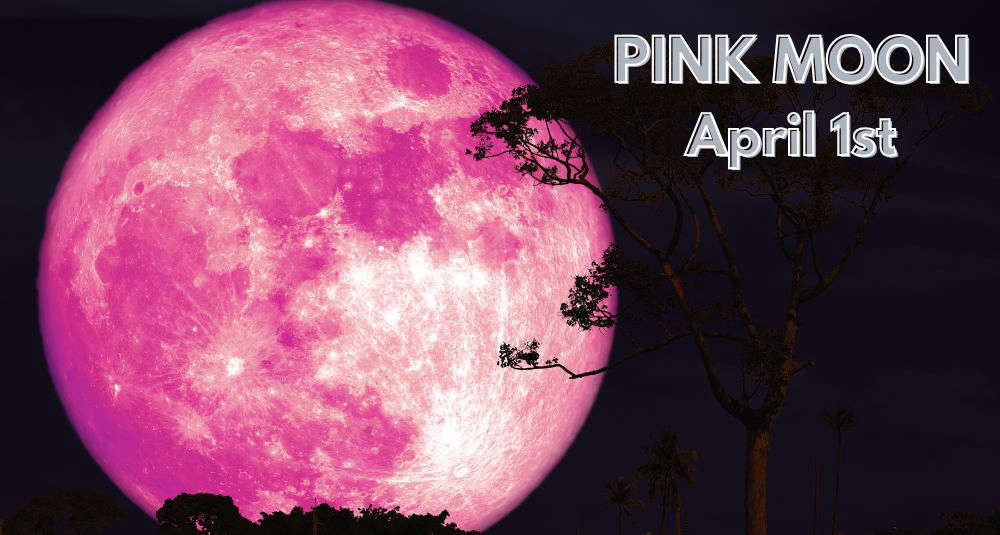
Pink Moon: The Pink Moon gets its name from herb moss pink, reportedly one of the earliest widespread flowers of the season, according to Farmer's Almanac.
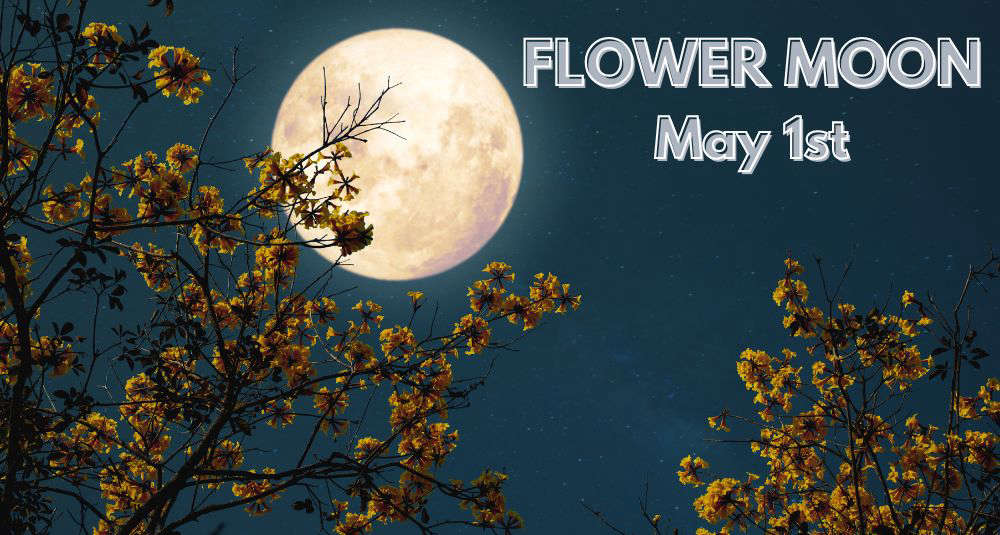
Flower Moon: May's full moon is called the 'Flower Moon', because it rises during a time when flowers are flourishing in spring.
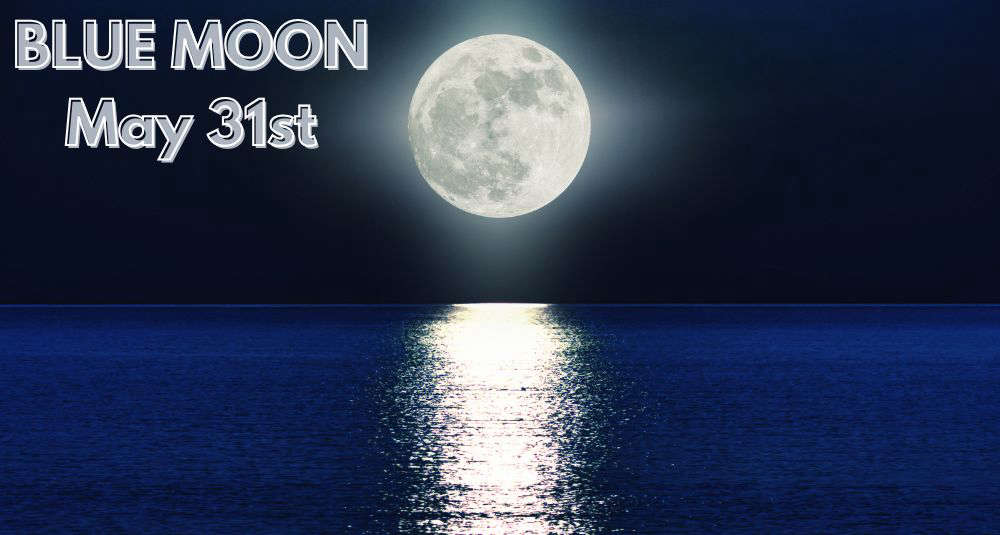
Blue Moon: A moon is labeled 'blue' when it occurs as the second full moon in the same month.
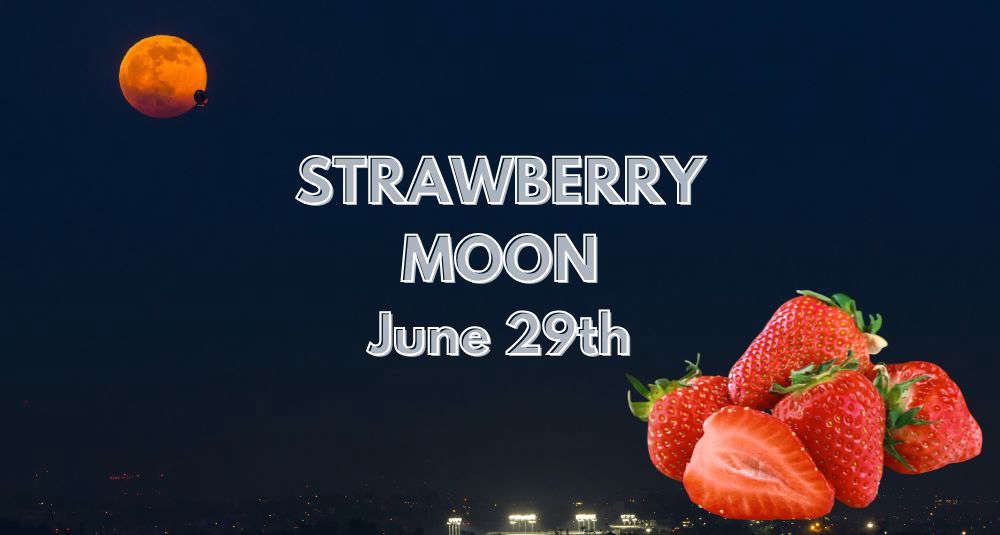
Strawberry Moon: 'Strawberry Moon' was coined for the short strawberry harvest season. Europe reportedly refers to this moon as 'Rose Moon'.
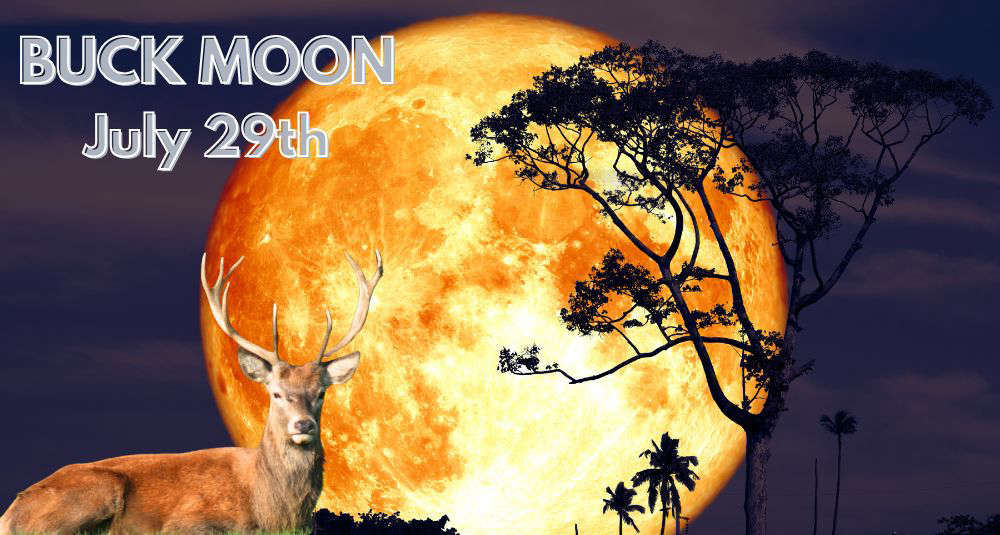
Buck Moon: The reason for the name 'Buck Moon' is quite interesting. It gets its name for the time of year when new antlers of buck deer emerge from their foreheads in coatings of velvety fur!
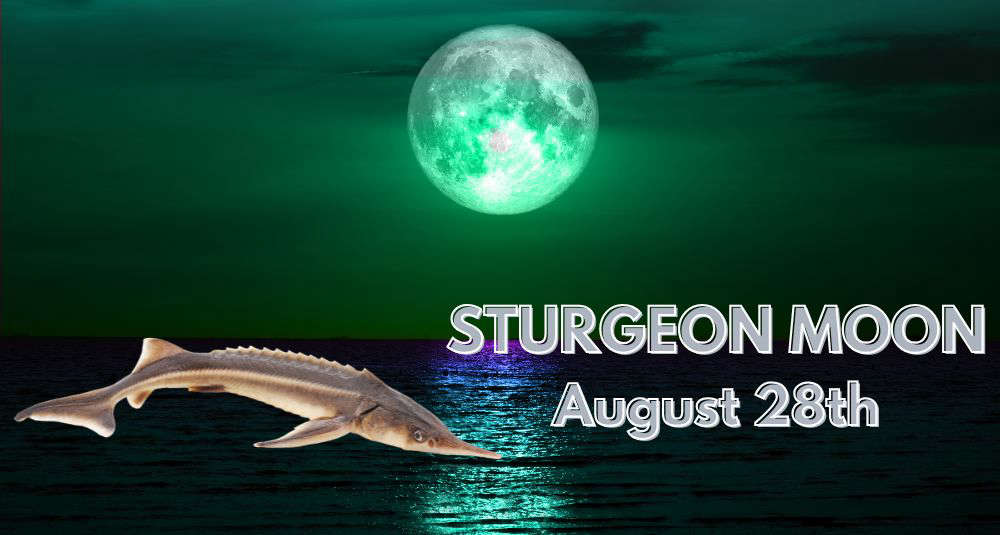
Sturgeon Moon: Named for sturgeon fish, which became easier to catch (in regions like the Great Lakes) during the month of August, according to Farmer's Almanac.
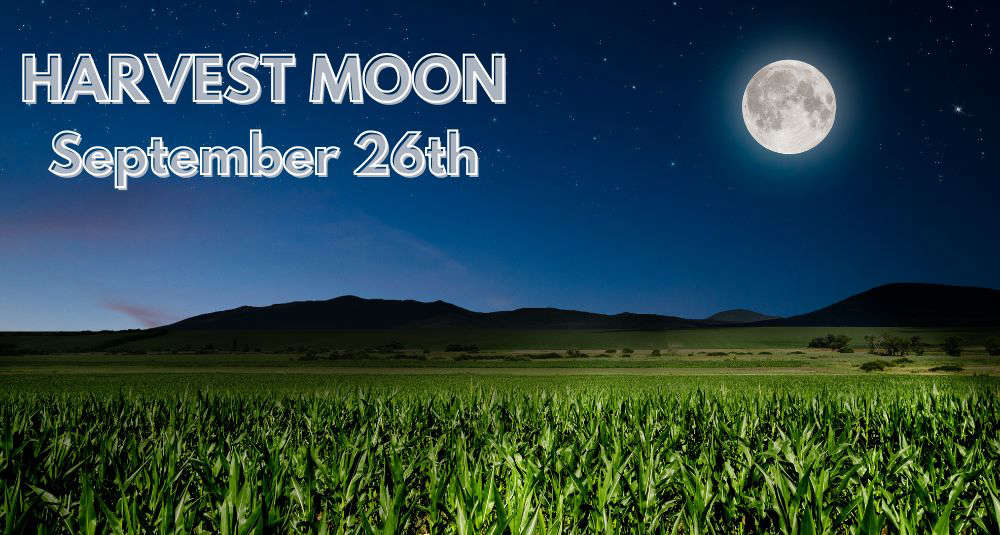
Harvest Moon: According to farmersalmanac.com, the Harvest Moon, also referred to as Blood Moon, Corn Moon, or Sanguine Moon, rises very soon after the sun sets, resulting in an abundance of bright moonlight early in the evening. This extra light aided farmers in harvesting summer-grown crops.
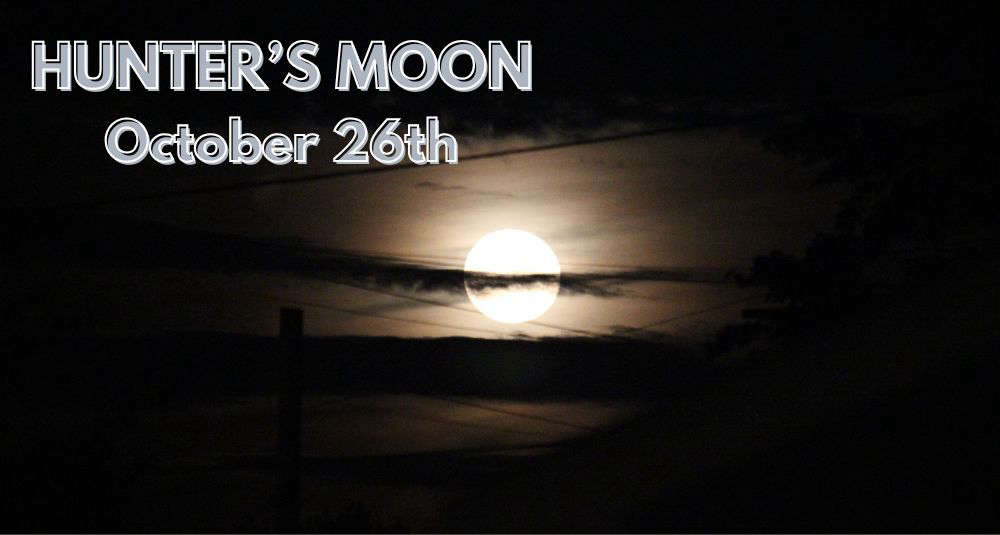
Hunter's Moon: The Hunter's Moon is named for the extra light it provided hunters to track and kill game to store for the coming winter months after the harvest had been gathered.
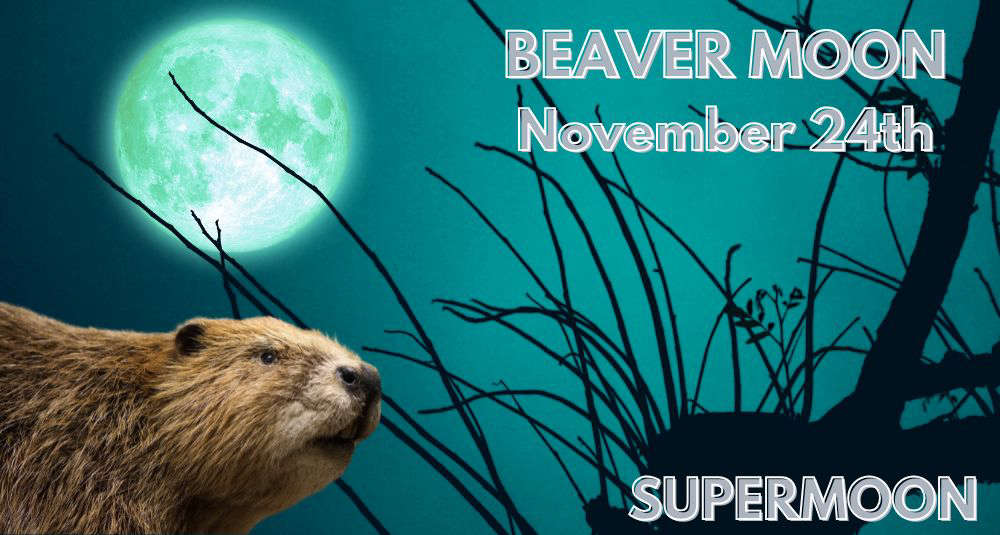
Beaver Moon: Some cultures believe the Beaver Moon is when the veil between this world and the next is at its thinnest, allowing spirits to pass through. Creepy!
Most astronomy experts consider a 'Supermoon', like the ones expected in November, and December, to be one that's within 223,000 miles of Earth at the closest point of its perigee orbit.
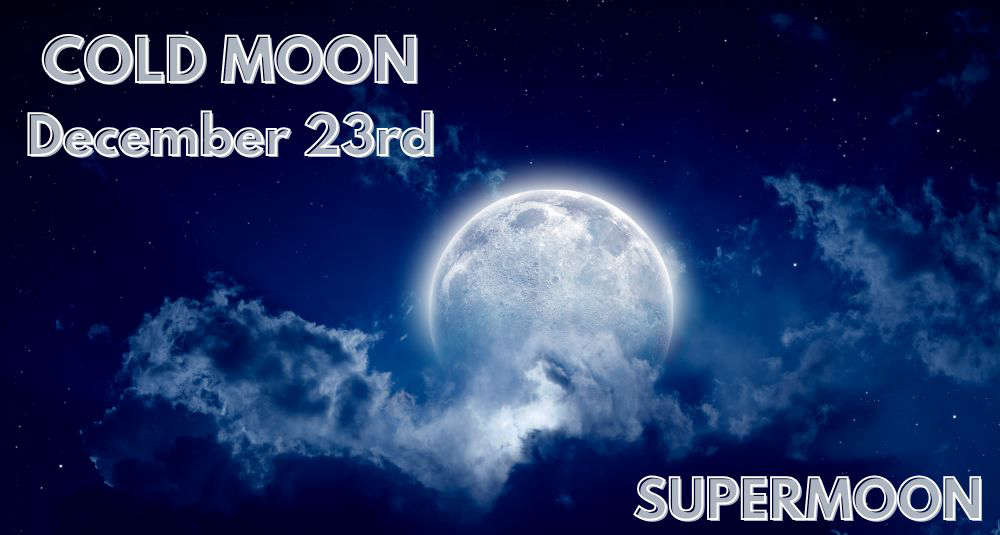
Cold Moon: Nights are at their coldest and darkest of the year when a Cold Moon rises in the sky. Cold Moon can also be called Yule Moon or Long Night's Moon.
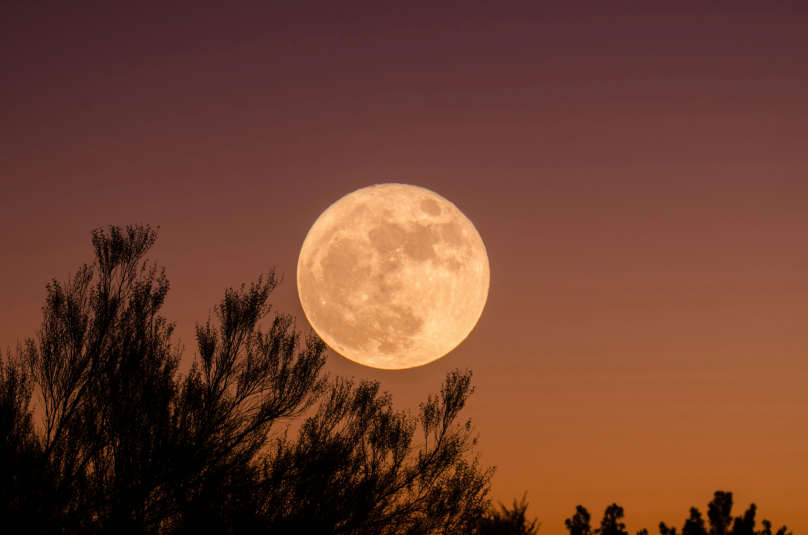
Supermoon (Photo: ganapathykumar/Unsplash)